

Sensory boards, often called busy boards, are interactive panels designed to stimulate children’s senses and encourage hands-on exploration. They combine everyday objects, locks, switches, textures, zippers, bells, into a safe, engaging platform that nurtures curiosity, problem-solving, and fine motor skills.
Why Sensory Boards Matter
- Cognitive Development: Children learn cause-and-effect relationships (e.g., flipping a switch turns on a light).
- Fine Motor Skills: Activities like turning knobs or fastening buttons strengthen hand-eye coordination.
- Sensory Stimulation: Different textures, sounds, and visuals engage multiple senses simultaneously.
- Independence & Confidence: Boards encourage self-directed play, allowing children to experiment and succeed at their own pace.
- Inclusive Learning: Sensory boards can be adapted for children of varying abilities, making them valuable in early childhood and special education settings.
Elements Commonly Found on Sensory Boards
| Sensory Type | Examples | Benefits |
|---|---|---|
| Touch | Sandpaper, fabric swatches, beads | Builds tactile awareness |
| Sight | Mirrors, colored lights, shapes | Enhances visual tracking |
| Sound | Bells, rattles, squeakers | Develops auditory recognition |
| Movement | Wheels, gears, sliders | Strengthens motor planning |
| Practical Life | Locks, latches, zippers | Encourages everyday skill practice |
Designing a Sensory Board
When creating or selecting a sensory board, consider:
- Safety First: Ensure all items are securely fastened and free of sharp edges.
- Age Appropriateness: Choose elements suited to the child’s developmental stage.
- Variety: Mix textures, colors, and functions to keep exploration engaging.
- Cultural Relevance: Incorporate familiar household items or symbols to foster belonging.
- Scalability: Boards can evolve—start simple and add complexity as children grow.
Photo Ideas


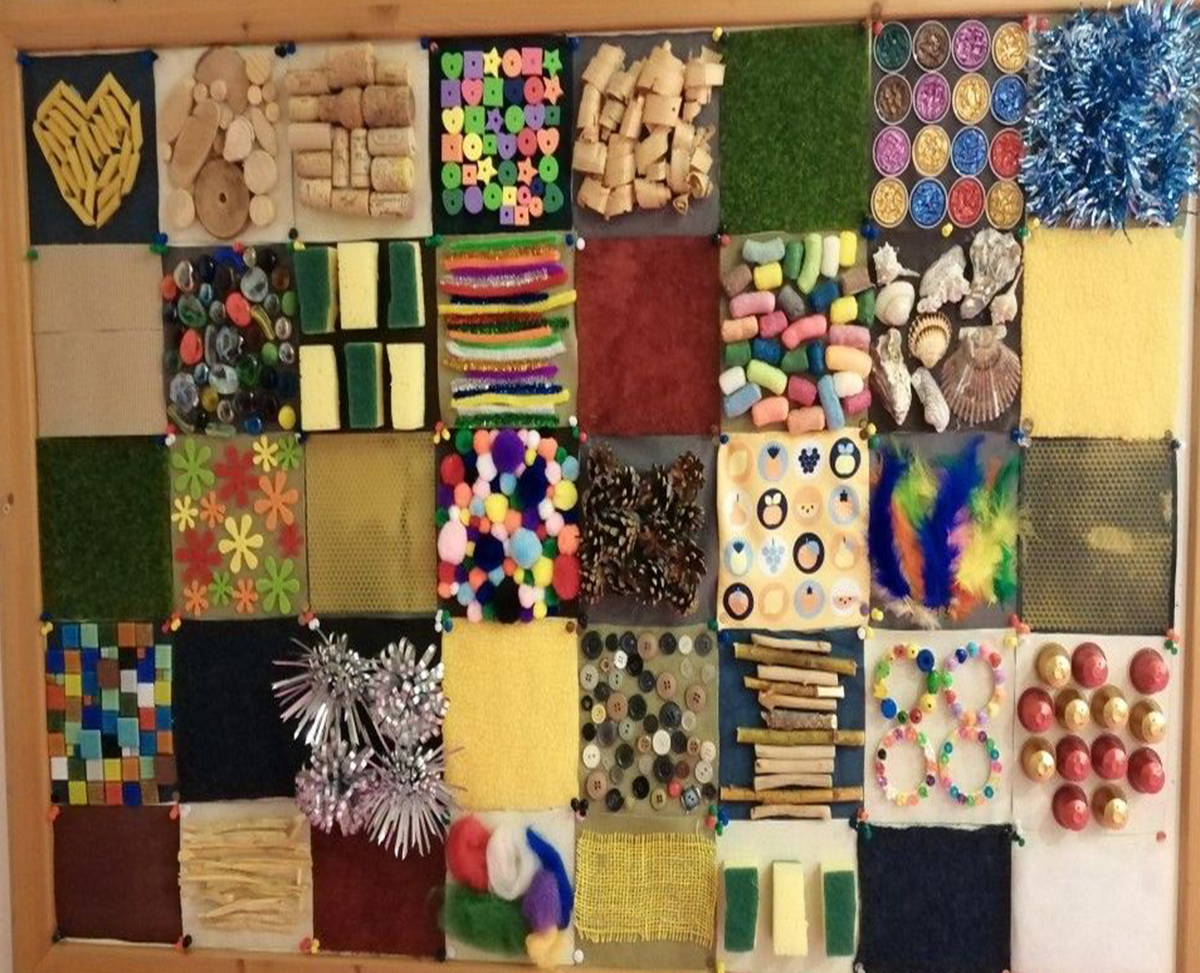
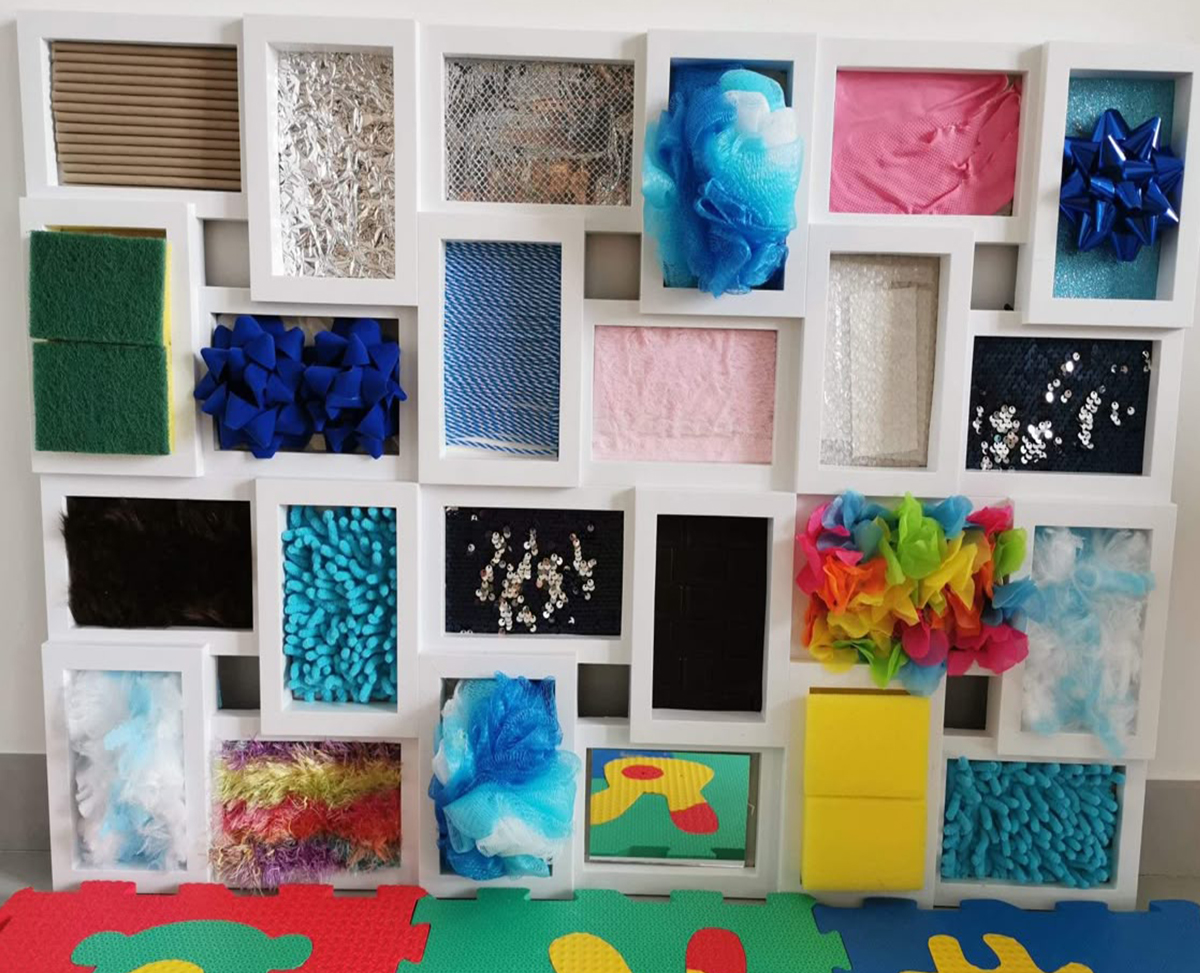
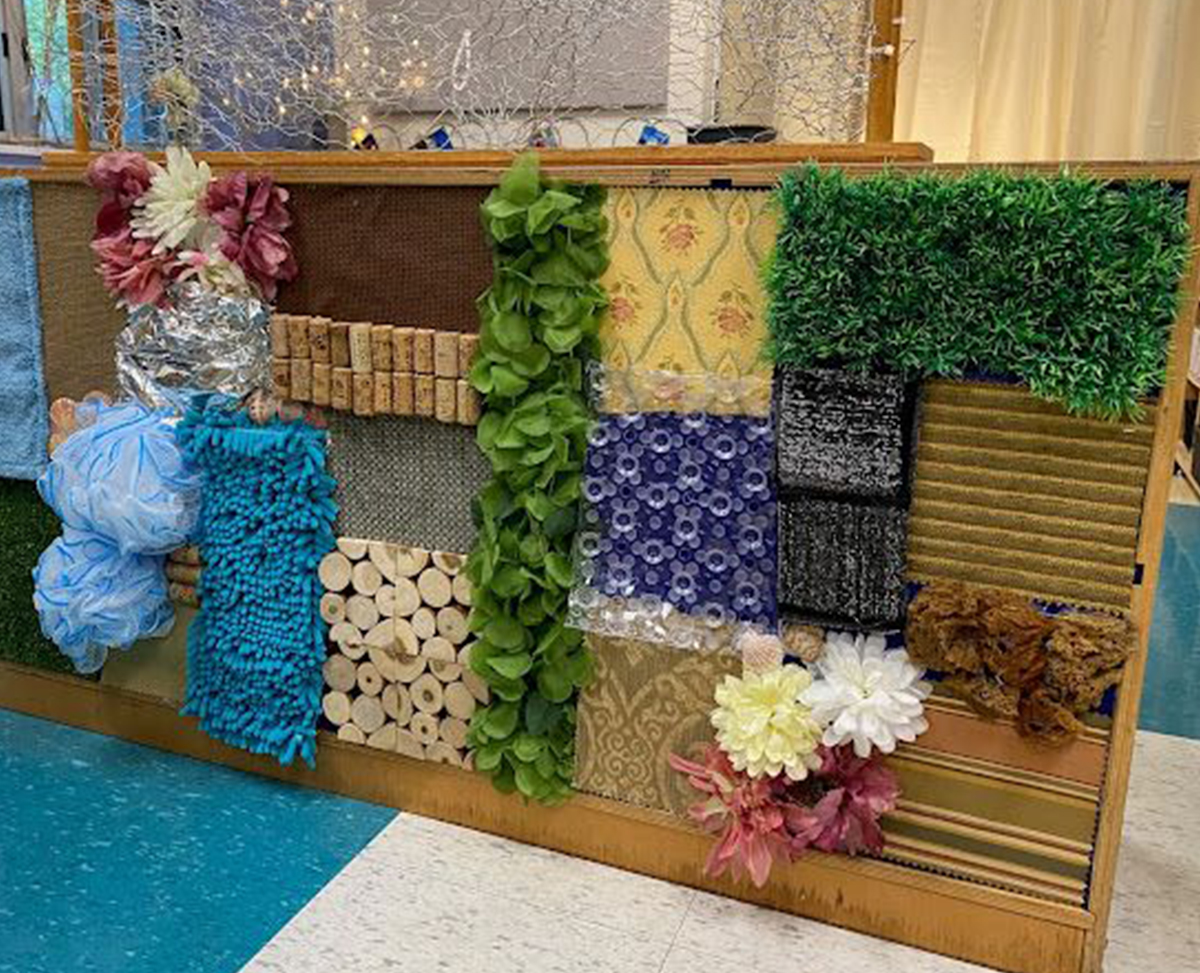

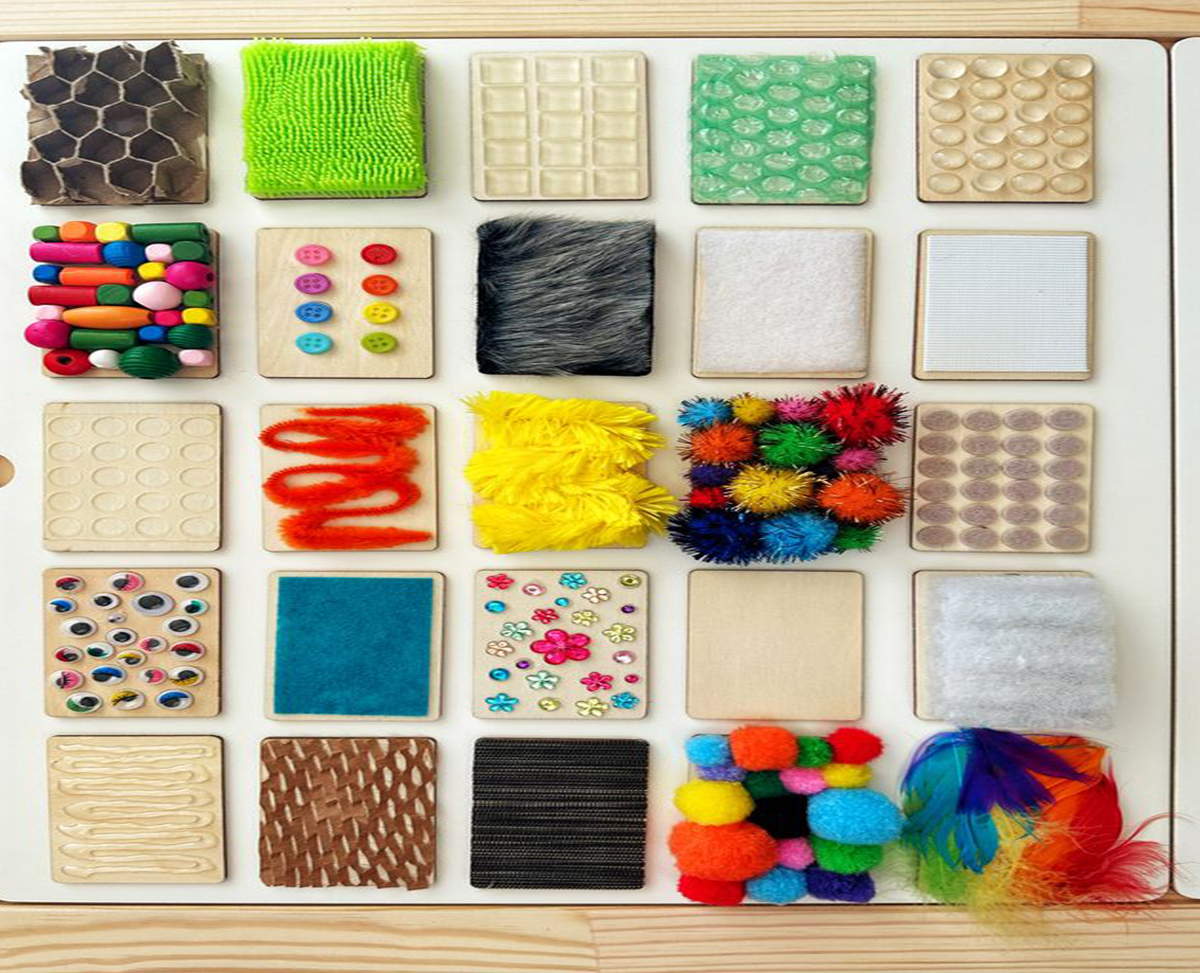


Practical Strategies for Educators
1. Start with Intentional Design
-
Link to Learning Outcomes: Align board elements with curriculum goals (e.g., fine motor skills, problem-solving, sensory exploration).
-
Age-Appropriate Choices: For toddlers, focus on simple textures and sounds; for preschoolers, add locks, gears, and sequencing activities.
-
Cultural Relevance: Include familiar household items or symbols that reflect children’s backgrounds.
2. Embed Boards into Daily Routines
-
Transition Tool: Use boards during arrival or quiet times to ease transitions.
-
Choice Stations: Offer sensory boards as part of free-choice play, encouraging autonomy.
-
Small Group Work: Rotate children through guided sensory board activities to observe skills in detail.
3. Scaffold Exploration
-
Model First: Demonstrate how to use a latch or slider, then invite children to try.
-
Prompt Thinking: Ask reflective questions like “What happens when you turn this knob?”
-
Encourage Collaboration: Pair children to solve challenges together, fostering social learning.
Tips for Effective Use
-
Safety First: Regularly check that items are secure and free from hazards.
-
Rotate Elements: Refresh boards with new textures or objects to sustain interest.
-
Inclusive Design: Adapt boards for children with sensory sensitivities (e.g., softer textures, muted sounds).
-
Family Engagement: Invite families to contribute items from home, strengthening connections.
-
Reflective Practice: After sessions, ask yourself: What skills did children demonstrate? How can I extend this learning tomorrow?
Sensory boards are more than playthings; they are learning landscapes. They invite children to touch, listen, see, and move, transforming everyday exploration into meaningful developmental progress. For educators, they also serve as documentation tools: observing how a child interacts with a board can reveal strengths, preferences, and areas needing support.
Further Reading
Benefits Of Sensory Play
Sensory Play for Children
Sensory Processing
Why Sensory Experiences Matter
Rethinking Sensory Play: Moving Beyond Food-Based Materials
Sensory Bin Ideas For Toddlers and Preschoolers
Sensory Processing Activities For Children To Increase Attention
Image References:
Image 1 - MindfulkidstvmIldikó, Pinterest
Image 2 - Molnár, Pinterest
Image 3 - Patricia Ebner, Pinterest
Image 4 - Noémie Jurgaud, Pinterest
Image 5 - Orom Risktakers, Pinterest
Image 6 - Gro-Organic CIC, Pinterest
Image 7 - Kayla McVey, Pinterest
Image 8 - Maayan Frishman-Frimer, Pinterest
Image 9 - Belevingsgericht aan de slag, Pinterest
Image 10 - No Name, Pinterest