
Sponsored
articles_listing_feed_1 placeholder

Family Day Care educators open their homes to children, balancing care, learning, and hygiene in a smaller, more personal environment than centres. With the release of the Biological Hazards Code of Practice in March 2026, childcare is formally recognised as a biohazard‑exposed w...
Early childhood centres across Australia enforce strict no-phone and no-smartwatch policies to safeguard children. Educators are reminded daily that even the smallest device could...

On 3 March 2026, Safe Work Australia released the Biological Hazards Code of Practice. For the first time, early childhood settings, is explicitly recognised as a workplace exposed...

Gardening is more than a pastime; it’s a pedagogical tool that supports children’s development across multiple learning outcomes. For educators, introducing simple vegetables into...

In OOSH services, educators are constantly looking for ways to balance energy, encourage wellbeing, and create calm transitions for children after a busy school day. Yoga in OOSH o...

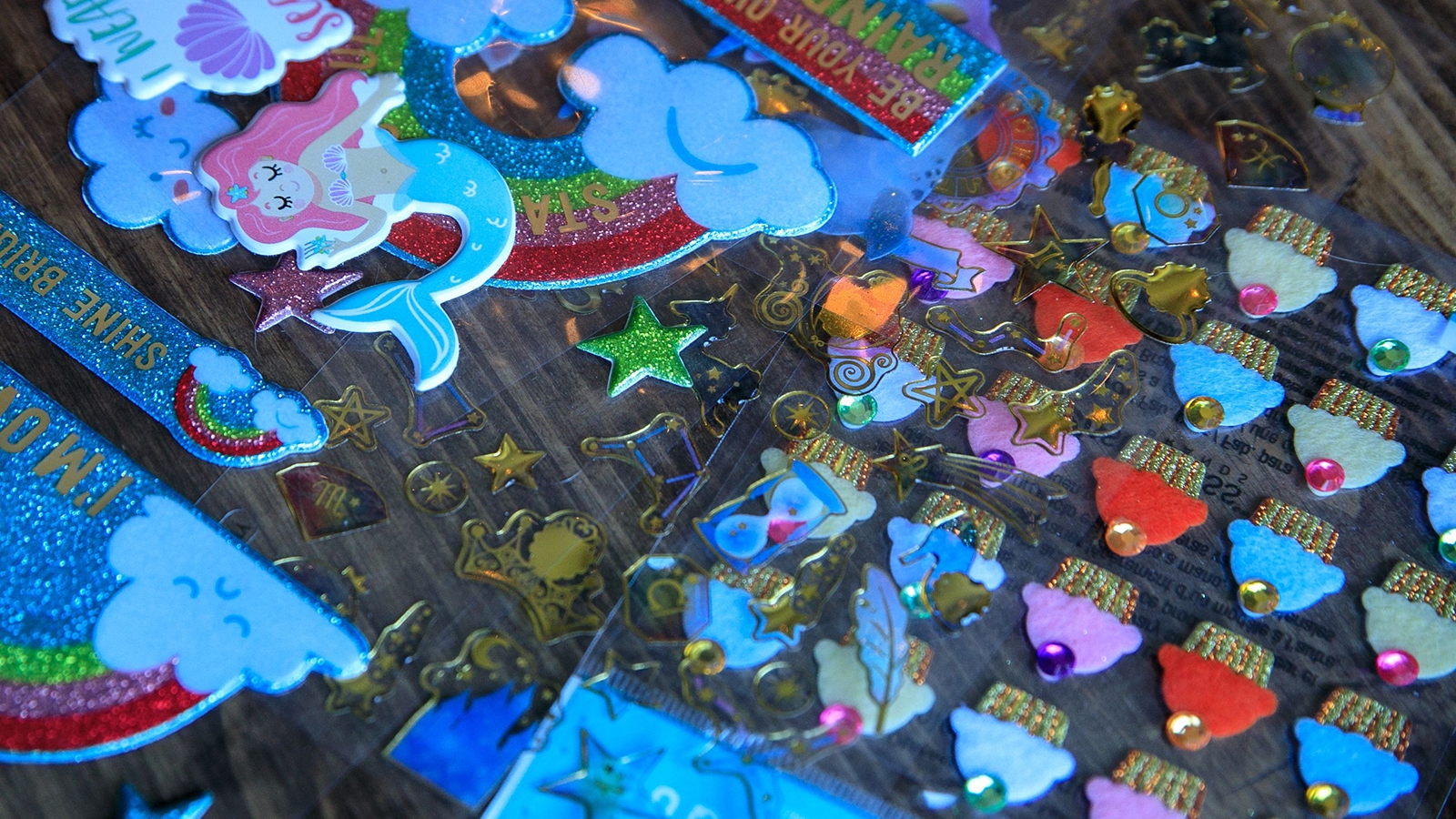
Reward systems in OOSH settings can be a fun and engaging way to encourage positive behaviours, build community, and motivate children. Whether it’s a prize box filled with small t...
In OOSH services, educators often support children with diverse abilities and needs. Some children may require additional accommodations, such as extra time to join activities, fle...

Quality Area 1 is the heart of the National Quality Standard. It reminds us that compliance is not about ticking boxes, but about showing how children’s voices, interests, and lear...

Capturing children’s voices is more than a compliance requirement; it’s about honouring their perspectives, embedding agency into curriculum, and strengthening partnerships with fa...

Toxic environments in early learning services can manifest as gossip, micromanagement, inconsistent policies, emotional invalidation, or even bullying. These psychosocial hazards a...

Teaching emotional attunement requires more than knowledge—it demands presence, practice, and a culture that values connection. This guide offers a layered approach to help educato...

The concept of supervision zones is a practical strategy to enhance child safety and educator accountability where educators are assigned to actively supervise and engage with chil...

When children dig, pour, smear, splash, squeeze, and explore, they’re not “making a mess.” They’re building the neural architecture that supports language, self-regulation, creativ...

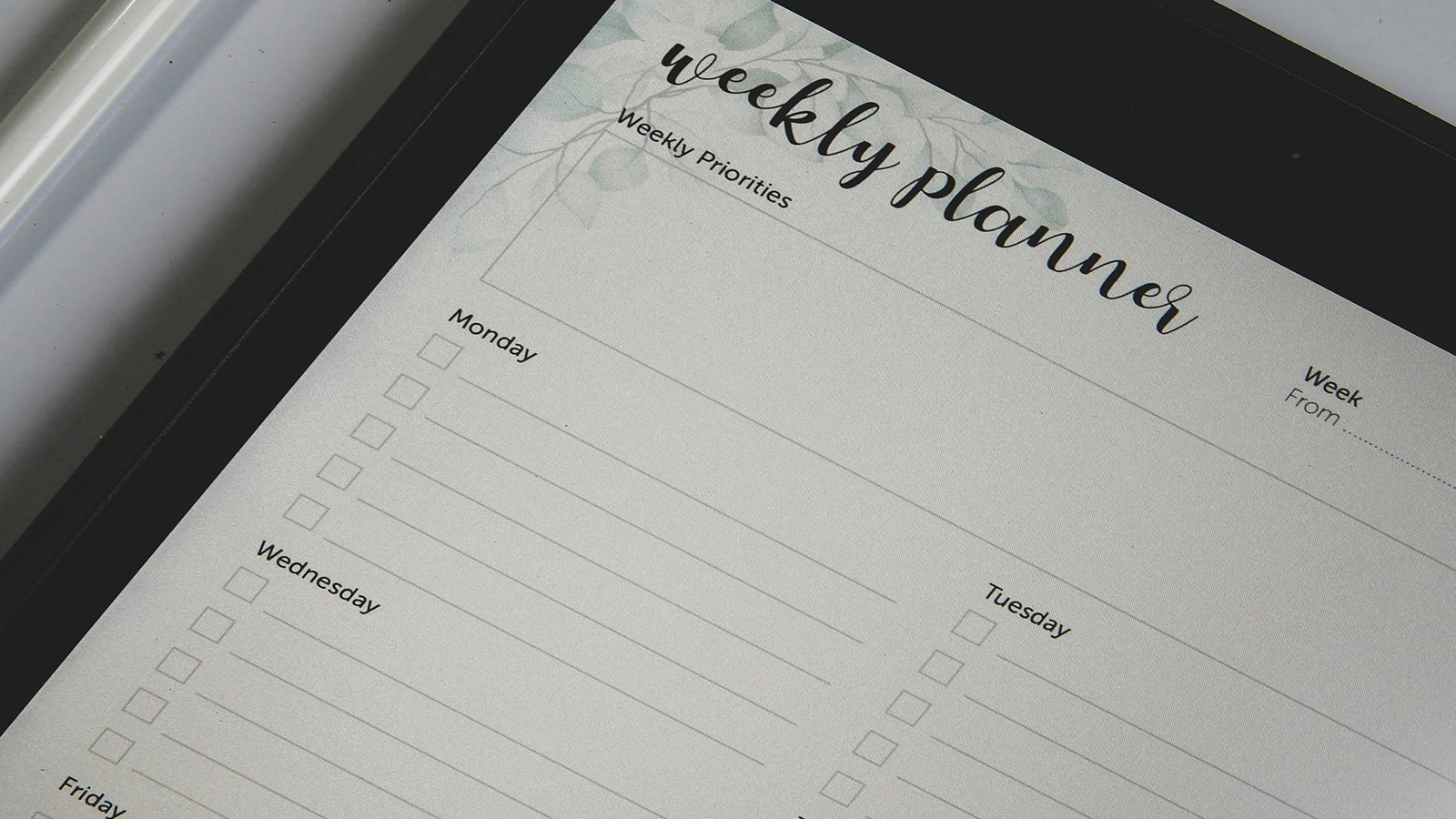
Early childhood work is fast‑paced, relational, and constantly shifting. Good time management isn’t about squeezing more tasks into your day; it’s about creating space to be presen...

Educators often wonder whether the number of days a child attends care should influence how many observations they complete. Some services believe that children attending 4–5 days...

Here’s a concise compliance cheat sheet for Quality Area 1 (Educational Program and Practice) under the National Quality NQS. It highlights the essential elements, documentation re...
Carol Dweck (born October 17, 1946) is an American psychologist and professor at Stanford University, best known for her pioneering research on mindsets in learning and achievement...

Play is more than just fun; it is a fundamental right enshrined in UNCRC Article 31, which guarantees every child the right to rest, leisure, play, and participation in cultural an...

Play in OOSH settings is more than just fun; it is a powerful tool for children’s social, emotional, and cognitive growth. As educators, reflecting on play experiences helps us und...

Butterfly Education and Awareness Day (BEAD) is celebrated on June 6, 2026. It was created by the Association for Butterflies to raise awareness about butterflies as pollinators, t...

Sustainability isn’t just about recycling; it’s about helping children understand their role as caretakers of the planet. In OOSH settings, educators have a unique opportunity to w...
