Educators often wonder whether the number of days a child attends care should influence how many observations they complete. Some services believe that children attending 4–5 days a week require more documentation, while others maintain that quality matters more than quantity. Th...
At present, “under the roof” ratios are not yet formally abolished in law, but Education Ministers announced in February 2026 that they intend to remove this practice. ACECQA has flagged that ratios will soon be required per room,...
A: While photos can enrich documentation by capturing moments visually, many observations are just as powerful when conveyed through thoughtful narrative, voice transcripts, symbolic sketches, or emotionally intelligent reflection...
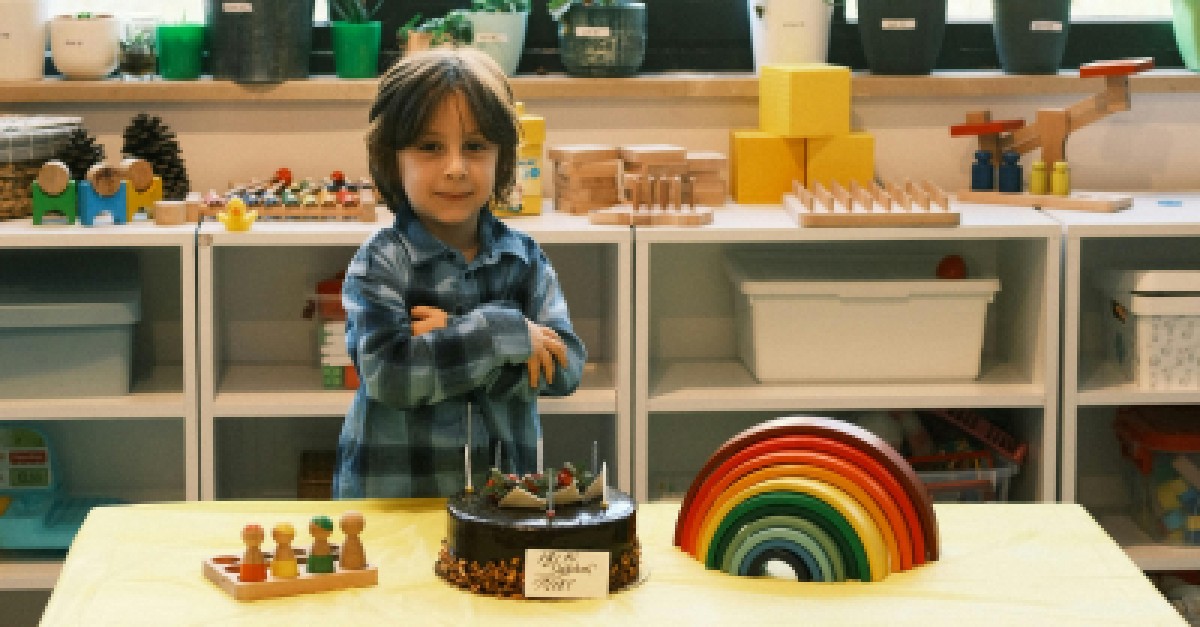
Birthdays are joyful milestones in a child’s life, and early childhood settings often look for ways to mark these occasions in meaningful ways. However, the question of whether teachers should buy birthday presents for children sp...
A: Something as simple as a child asking to braid an educator’s hair—or children braiding each other’s can spark important questions about connection, trust, and professional boundaries. For many, braiding is more than a playful a...
A: Yes, Transition to School Statements are highly beneficial and increasingly considered necessary in Australia. While not legally mandated nationwide, they are strongly encouraged by state education departments to support contin...
Q: A strengths-based approach focuses on what children can do, rather than what they lack. It celebrates each child’s capabilities, interests, and efforts and uses these as the foundation for learning and development.
A: No, you don’t have to include theorists in every piece of documentation, but referencing them can deepen your practice, especially when aligned with EYLF V2.0 and the National Quality Standard.
A: In early childhood education, programming isn’t just about planning activities—it’s about tuning into children’s rhythms, honouring their voices, and creating emotionally safe, meaningful learning journeys. One of the most comm...
A: Intentional teaching means teaching with a clear purpose. It’s about making thoughtful decisions to help children learn in meaningful ways. At its core, intentional teaching means teaching with a clear purpose. It’s the art of...
A: Under Regulations 101–102D, approved providers and educators must conduct risk assessments for activities that may pose risks to children’s health, safety, or well-being.
A: As the end of the preschool year approaches, preschool educators begin preparing for graduation ceremonies—complete with miniature caps, choreographed performances, and proud photo ops. While these events can be joyful and affi...
A: There’s no fixed number of observations required from educators across all early childhood services in Australia—it depends on your service’s philosophy, policies, and the needs of the children.
A: You can show individual learning cycles in a simplified way by using visual templates and structured documentation that align with the EYLF. These tools help educators track each child’s progress without overwhelming complexity...
A: It depends on children's engagement and developmental needs. Many educators recommend keeping setups for 2–4 weeks, or even up to 6 weeks, especially if children are still exploring and learning from them. The key is to observe...
A: This typically refers to opening a room or service with two educators holding Certificate III qualifications. The assumption is that the third staff member (when added) would be diploma-qualified, allowing the team to meet the...
A: Under the National Quality Framework (NQF), every time a centre-based early childhood service is open—whether at opening, throughout the day, or at closing—there must be at least one Responsible Person physically present and on...
A: In terms of best practice, not every single piece requires a long, formal reflection, but each should invite at least a moment of intentional consideration.