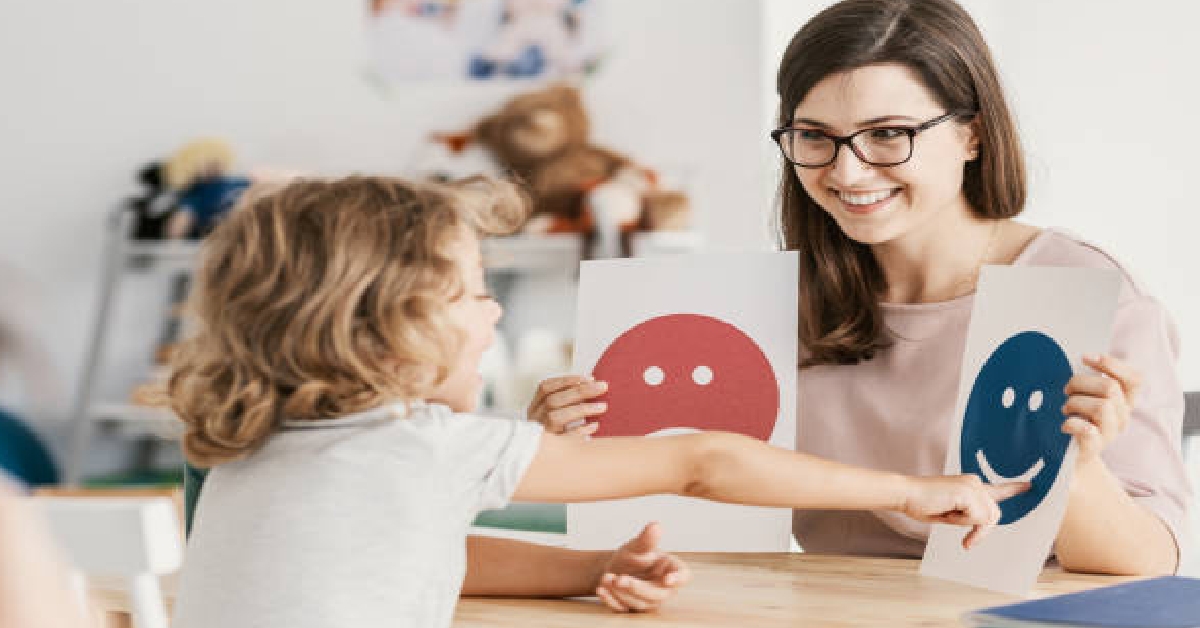
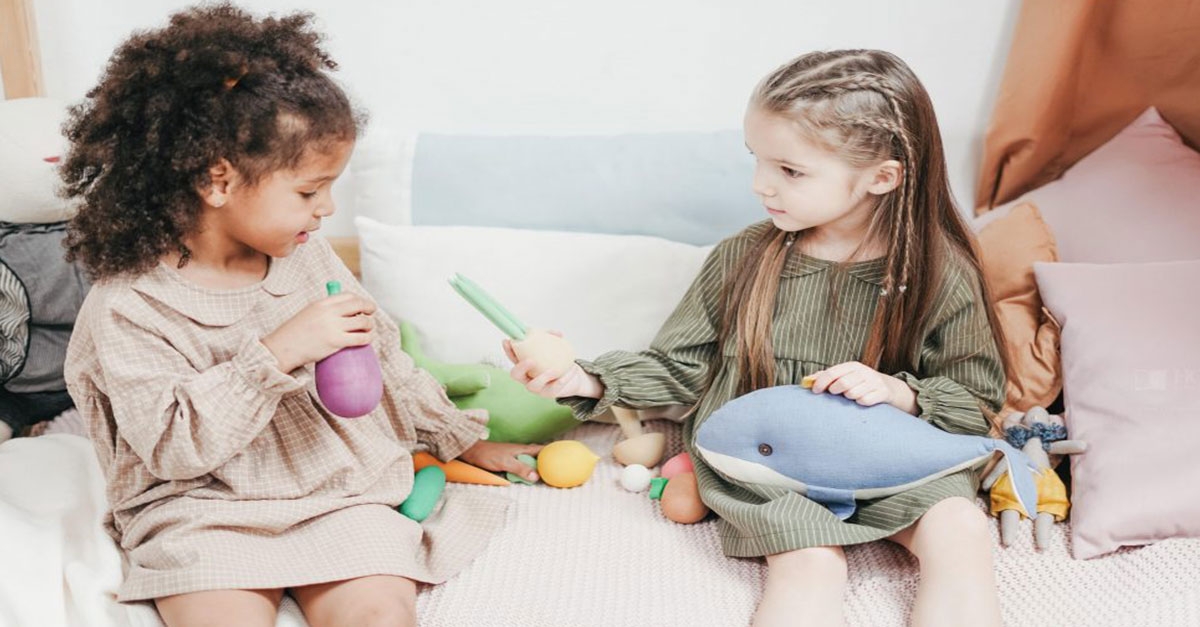
Social Constructivist Theory in Early Childhood Education is a learning approach grounded in the idea that children actively construct knowledge through their social interactions and cultural experiences. Rather than viewing learning as an individual process of acquiring informat...
Behaviourism is a learning theory developed by psychologists B.F. Skinner and John Watson, focusing on how behavior is shaped through reinforcement. It is based on the idea that children learn through stimulus-response interaction...
Supporting a toddler with challenging behavior requires a combination of strategies and resources tailored to their developmental stage. The following article provides information on Strategies To Support Toddlers With Challenging...
Anxiety is one of the most common reasons why children don’t want to leave home and their families. If not addressed at the right time, it can worsen into a debilitating condition, seriously affecting learning too. The following a...
Active Listening involves lending your undivided attention to someone who is speaking to you. As opposed to passive listening which is merely hearing the speaker without trying to understand what is being said, active listening le...
The Yoga Poses For Children Posters illustrate 16 different yoga poses/asanas for children to practice. Each poster demonstrates the child's yoga pose/asana, followed by the yoga pose name in English and Sanskrit. These are great...
Saying sorry is among the earliest lessons in interpersonal behaviour that children learn when growing. There are indeed many benefits of an apology but adults forget that almost always they depend on both sides genuine feeling th...
In early childhood, among the most important aspects of learning self-regulation is the ability to identify and label emotions. Unless children are able to understand and manage their emotions, they might end up expressing them th...
Sharing is challenging for children, especially toddlers. This happens frequently during the development process. The first step in teaching children to share is realising and accepting this. The following article provides informa...
Saying sorry is among the earliest lessons in interpersonal behaviour that children learn when growing up. There are indeed many benefits of an apology but sometimes we forget that almost always they depend on both sides genuine f...
Some children find it difficult to process the information received from their senses. Those who feel sensory inputs too intensely – like colours appearing excessively bright or fruits tasting too grainy – can become sensory sensi...
Redirection is among the most effective proactive behaviour guidance methods in young children. It consists of simple cues or instructions that prevent problem behaviours from escalating and help children to be more engaged in the...
A calm down box has a variety of sensory tools that a child is encouraged to use when they are feeling frustrated, intense anger to calm-down emotions.The following article provides a list of self-regulates that can be included in...
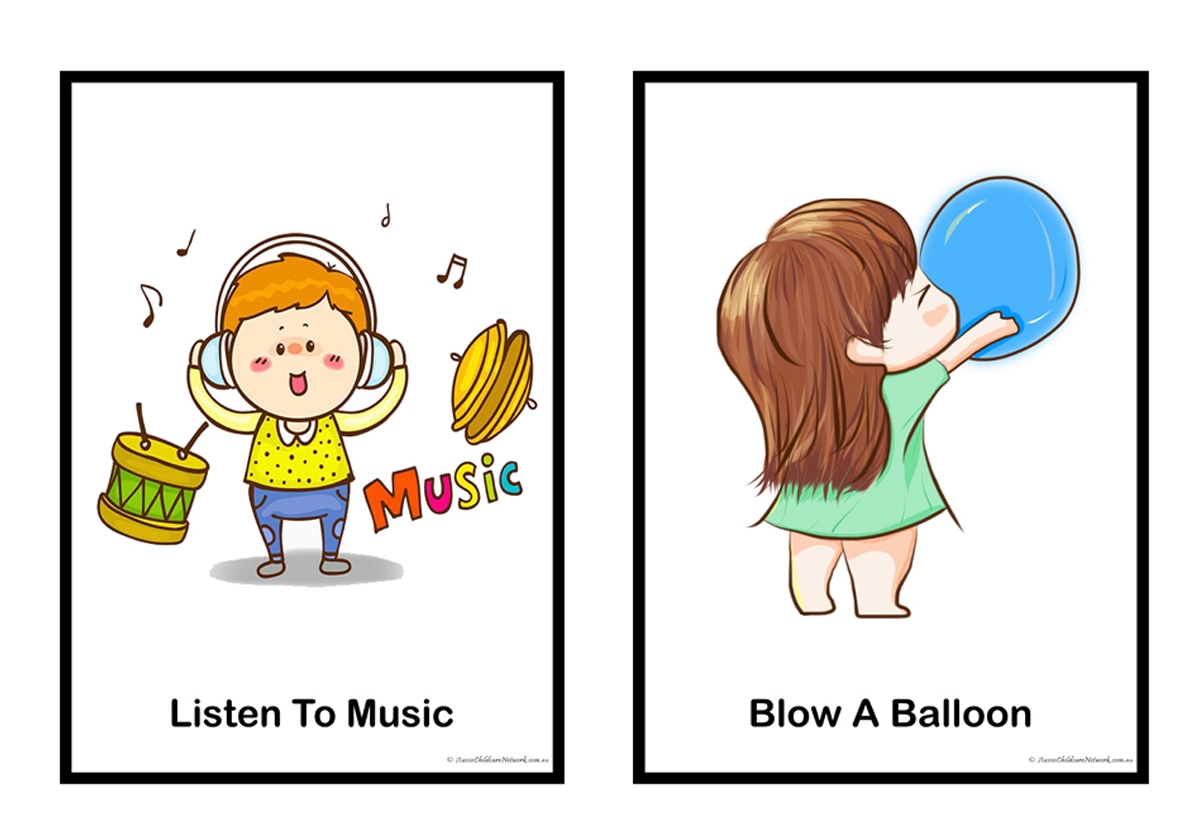
The Anger Management Posters are great to display in a calm-down area to show children how to regulate their emotions when feeling overwhelmed or angry. Children can choose a task to do from the poster and when completing the task...
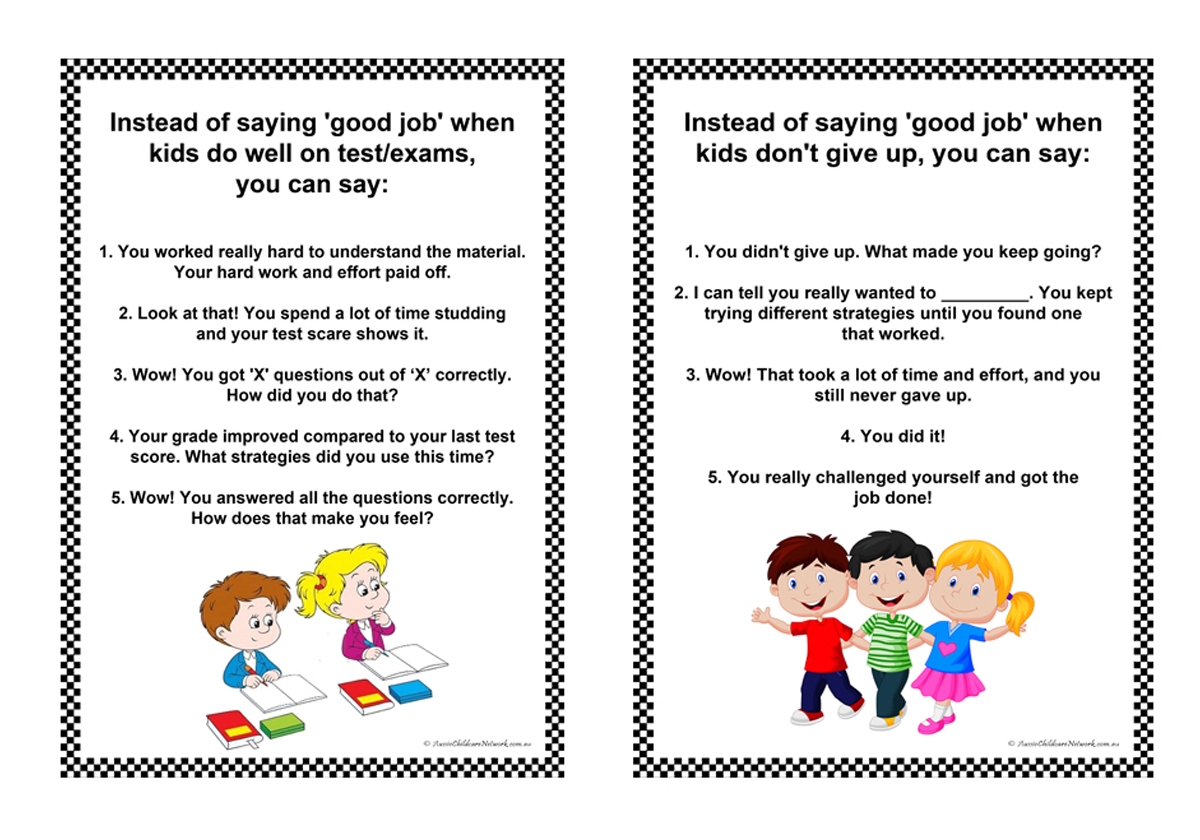
The Don't Say Good Job Posters have a variety of different phrases that can be used in different situations with children, instead of saying "good job". These are helpful in reminding Educators of positive phrases to use when talk...
Young children who are not able to develop age-appropriate strategies for regulating aggressive behaviour are at high risk for engaging in chronic aggressive and antisocial behaviour which might adversely affect all aspects of the...
As Educators, there will be many instances where you will need to write about a child's behaviour. For a behaviour management plan, assessments, half-yearly or yearly reports and more. The following lists descriptive words and the...
No child is behaves in one way all the time, but psychologists agree that each has their own usual type. This is usually reflected in the way parents or close family members describe the child since their infancy; for example, ‘Sa...
Calming down an angry child is important as it helps to enhance awareness about their feelings and also helps to balance their emotional development. The following article provides 10 strategies to handle an angry child.
The years between five and twelve are a time brimming with activity for children – they are developing close friendships, getting stronger in body and mind as well as widening their circle of hobbies and interests. While all this...
Consequences are one of the most effective principles of behaviour management in ECEC settings, as they show children the probable results of their own actions. There are two types of consequences used most often – natural and log...