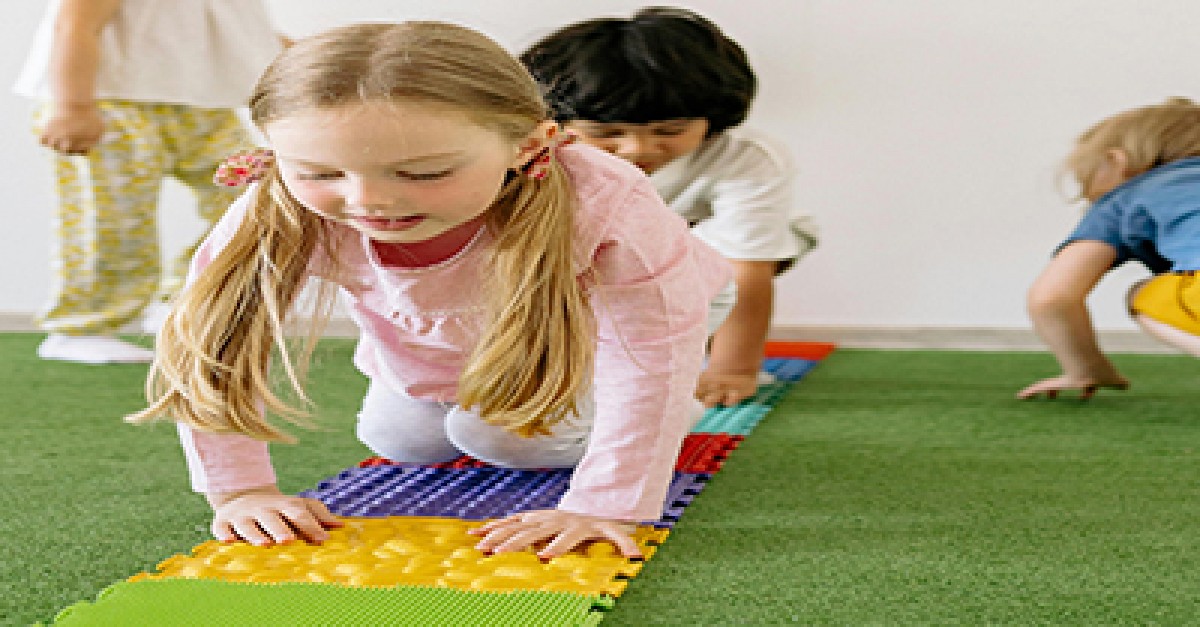
In early childhood settings across Australia, the Early Years Learning Framework (EYLF) is more than a document; it’s a living, breathing presence in children’s play. When educators truly see the EYLF in action, they witness a tapestry of learning, relationships, and identity unf...
When documenting children’s learning, educators often feel pressured to align every observation with codes, sub‑outcomes, or compliance language. Yet, meaningful documentation doesn’t need to be weighed down by technical jargon. I...
Evaluating children’s goals is more than ticking boxes; it’s about noticing growth, reflecting on what supported it, and planning the next steps with intention. The framework reminds us that outcomes are not abstract; they are liv...
A child’s sense of identity is the foundation for all learning, relationships, and wellbeing. Outcome 1 of the EYLF Children have a strong sense of identity reminds us that when children feel safe, seen, and valued, they begin to...
Having a solid grasp of developmental stages will help you evaluate children's play and learning effectively. Sound professional knowledge should serve as the foundation for intentional teaching, planning, and evaluation. The foll...
Documentation walls are more than displays—they are living narratives of children’s learning, identity, and community. When aligned with the Early Years Learning Framework (EYLF), they become powerful tools for reflection, family...
The observation cycle doesn’t need to be complicated. At its heart, it’s simply a way of noticing, understanding, and responding to children’s learning. These prompts are designed to support educators at every stage—keeping docume...
In early childhood education, the words we choose shape how learning is seen, valued, and shared. The EYLF gives us a powerful framework but in the rush of daily practice, it’s easy to lose confidence in linking outcomes or findin...
EYLF Outcome 1 Floorbook prompts for identity, belonging, autonomy, emotional well-being, and empathy. Includes child‑voice questions, educator reflections, group prompts, and page starters.
Outcome 1 of the EYLF focuses on ident...
A clear, practical EYLF Outcome 1 cheat sheet for educators, with examples, observation wording, and strategies to document children’s identity, belonging, autonomy, emotional well-being, and respectful relationships across daily...
Building secure, trusting relationships is the heart of early childhood education, and EYLF Outcome 1.1 places this at the centre of children’s learning and well-being. Before children can explore, communicate, or engage confident...
Linking to the EYLF is one of the most misunderstood parts of early childhood documentation. Many educators feel pressured to attach outcome numbers to every observation, photo, or program entry even though this is not required by...
The EYLF provides a foundation for quality early childhood education in Australia. At its heart are the five learning outcomes, which guide educators in supporting children’s holistic development. These outcomes—Identity, Communit...
This mapping tool is designed to help educators translate everyday moments into meaningful documentation aligned with the EYLF. By spotlighting real examples of children’s play, interactions, and discoveries, it supports reflecti...
Strengths-based documentation is more than a compliance tool, it’s a way of honouring children’s voices, identities, and learning journeys. By mapping affirming, child-centered phrases directly to the EYLF Learning Outcomes, educa...
Outcome 3 of the EYLF, Children have a strong sense of well-being, which reminds us that physical health and emotional safety are deeply connected. In early childhood, well-being is expressed through movement, rest, nutrition, emo...
Outcome 2 of the EYLF—Children are connected with and contribute to their world—reminds us that belonging is not just about being present but about feeling valued, included, and empowered to make a difference. The following articl...