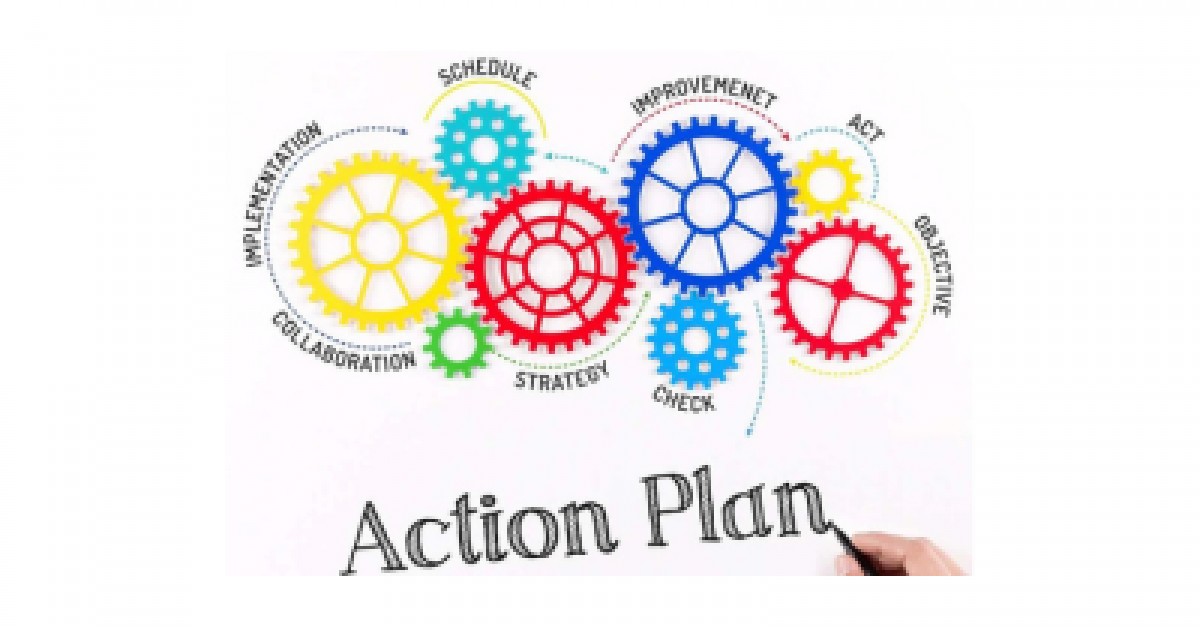
A QIP display board in an early learning service is a fantastic way to make your continuous improvement journey visible, engaging, and collaborative. It helps educators, families, and even children see what the service is working on, why it matters, and how progress is being trac...
A Quality Improvement Plan (QIP) helps early childhood services keep improving. It shows what’s working well and what needs to change. An Action Plan is the step‑by‑step guide inside the QIP. It tells the team:
What needs impro...
The National Quality Standard (NQS) has been updated to further reinforce the responsibility of early childhood education and care services in safeguarding children. Under Quality Area 7: Governance and Leadership, Standard 7.1—Go...
The NQS continues to evolve to ensure that early childhood education and care services uphold the highest standards of safety, wellbeing, and protection for children. From 01 January 2026, a significant change has been introduced...
Here’s a cheat sheet for Quality Area 6: Collaborative Partnerships with Families and Communities from the NQS. This cheat sheet includes each standard, its elements, and practical examples tailored for early childhood settings.
Here's a practical Quality Area 5 Cheat Sheet that includes key standards, element breakdowns, and real-world examples that reflect emotionally intelligent, trauma-informed, and child-centered practice. This area focuses on buildi...
Here's a breakdown of Exceeding Theme 3: Meaningful Engagement with Families and/or the Community across Quality Areas 1 to 7, tailored to your advocacy lens. This theme is all about co-constructing practice with families and comm...
Here's a comprehensive breakdown of Exceeding Theme 2:Practice is Informed by Critical Reflection across all quality areas 1 to 7 of the National Quality Standard (NQS). This theme emphasizes how services use deep, ongoing reflect...
Here's a quick cheat sheet for Quality Area 4: Staffing Arrangements under the National Quality Standard (NQS) in Australian early childhood education. This area focuses on ensuring that staffing promotes children's learning and d...
The following is a cheat sheet for Quality Area 3: Physical Environment. This quality area is designed to support educators in creating safe, inclusive, and engaging spaces that nurture well-being and learning. This version emphas...
The following is a cheat sheet for Quality Area 2. Quality Area 2 of the National Quality Standard (NQS) is the heartbeat of safe, responsive, and nurturing early childhood environments. It affirms that every child has the right t...
Quality Area 3 of the National Quality Standard (NQS) focuses on the physical environment—its design, safety, inclusivity, and how it supports children’s learning, wellbeing, and agency. Here’s a breakdown of practical, workplace-...
The following is a concise yet powerful cheat sheet for Quality Area 1: Educational Program and Practice, tailored for your advocacy and sector leadership lens. This distills the core elements, documentation strategies, and reflec...
Quality Area 1 of the National Quality Standard focuses on Educational Program and Practice, ensuring that learning experiences are child-centered, stimulating, and engaging. Here are some practical examples of how this can be imp...
Quality Area 5 of the National Quality Standard focuses on relationships with children. The following article provides a structured list of critical reflection questions for NQS Quality Area 5—Relationships with Children. These q...
Quality Area 4 focuses on staffing arrangements. The following questions are designed to help you critically evaluate how your service recruits, supports, retains, and empowers its educators to deliver high-quality, intentional in...
Quality Area 5: Relationships with Children is fundamental in early childhood education as it lays the groundwork for a nurturing and supportive learning environment. Here are some key terms and concepts central to this quality ar...
Quality Area 4 focuses on Staffing Arrangements in early childhood education settings. It ensures that educators are qualified, experienced, and collaborative, fostering a positive learning environment for children. Here are some...
Quality Area 3 focuses on the physical environment in educational and care settings, as per frameworks like the National Quality Standard (NQS). It emphasizes creating safe, functional, and sustainable spaces that support learning...
By embedding high-quality practices, services demonstrate an unwavering commitment to continuous improvement, educator collaboration, and responsive engagement with children, families, and communities. This introduction sets the f...