
Sponsored
articles_category_feed_1 placeholder

Observations are more than compliance—they’re acts of care, advocacy, and professional insight. When educators write observations with emotional intelligence and sector-savvy language, they make children’s learning visible, amplify their voices, and strengthen the case for qualit...

In early childhood education, every family brings a unique rhythm of celebration, memory, and meaning. The Family Holiday Traditions template offers educators a powerful...

Every photograph, every story, contributes to a child’s digital footprint, often in ways they cannot fully understand or consent to. This is where the concept of safe ped...

In early childhood education, children’s artwork is often vibrant, expressive, and deeply personal. Yet too often, it’s reduced to wall displays or sent home without cont...

A: Yes, Transition to School Statements are highly beneficial and increasingly considered necessary in Australia. While not legally mandated nationwide, they are strongly...

The “My Preschool Memory Book” is a heartfelt end-of-year keepsake designed to honour each child’s unique early learning journey. This 6-page portfolio template helps edu...

Reflecting on pedagogy is where practice becomes purpose. It’s the moment we pause, zoom out, and ask not just what we’re doing—but why, how, and who it serves. In early...

This mapping tool is designed to help educators translate everyday moments into meaningful documentation aligned with the EYLF. By spotlighting real examples of children...

Q: A strengths-based approach focuses on what children can do, rather than what they lack. It celebrates each child’s capabilities, interests, and efforts and uses these...

Here’s an educator-friendly EYLF V2.0 Reference Sheet designed for quick use in planning, documentation, and reflection. It’s structured to support intuitive linking betw...

Summative assessments are more than end-point reflections—they’re storytelling tools that honour each child’s journey. They help educators celebrate growth, identify emer...

The EYLF practices are more than guiding principles; they’re invitations to co-create vibrant, inclusive, and emotionally safe learning environments. Whether you're nurtu...

A: No, you don’t have to include theorists in every piece of documentation, but referencing them can deepen your practice, especially when aligned with EYLF V2.0 and the...

A: In early childhood education, programming isn’t just about planning activities—it’s about tuning into children’s rhythms, honouring their voices, and creating emotiona...

A: Intentional teaching means teaching with a clear purpose. It’s about making thoughtful decisions to help children learn in meaningful ways. At its core, intentional te...

In the fast-paced world of education, professional growth can feel like a moving target. Between compliance demands, curriculum shifts, and the emotional labour of teachi...

A documentation wall is a powerful visual tool used in early childhood settings to showcase children's learning, educator reflections, and connections to curriculum frame...

In early childhood settings, meaningful moments often unfold quietly: a glance of recognition, a rhythmic sway to music, or a spontaneous giggle during water play. These...

Strengths-based documentation is more than a compliance tool, it’s a way of honouring children’s voices, identities, and learning journeys. By mapping affirming, child-ce...
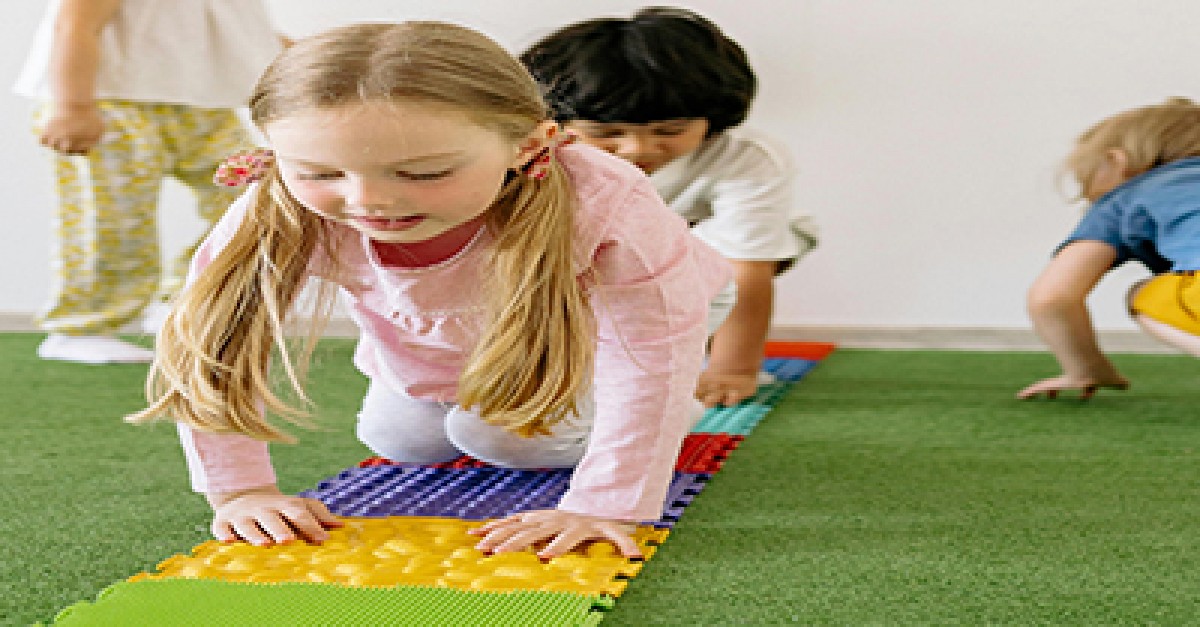
Outcome 3 of the EYLF, Children have a strong sense of well-being, which reminds us that physical health and emotional safety are deeply connected. In early childhood, we...

Halloween is more than costumes and candy; it's a cultural moment that invites play, storytelling, and community connection. But beneath the surface, it also offers a ric...