
Sponsored
articles_category_feed_1 placeholder
Reflections are an ongoing occurrence that enables us, educators, to think honestly about our professional practice and ideas. It challenges us to take a step back to analyse our personal experiences to enhance learning and speculate upon the future and act.

The following provides a list of cheat sheets and free printables based on EYLF Outcomes Version 2.0. These can be used as a reference point for Educators. They can also...

Reflections are observing, listening, thinking deeply about the meaning of what you have observed and heard, and using that information to inform your practice and contin...

Quality Area 5 of the National Quality Standard focuses on educators developing responsive, warm, trusting and respectful relationships with children that promote their w...

Quality Area 4 of the National Quality Standard focuses on the provision of qualified and experienced educators who develop warm, respectful relationships with children,...
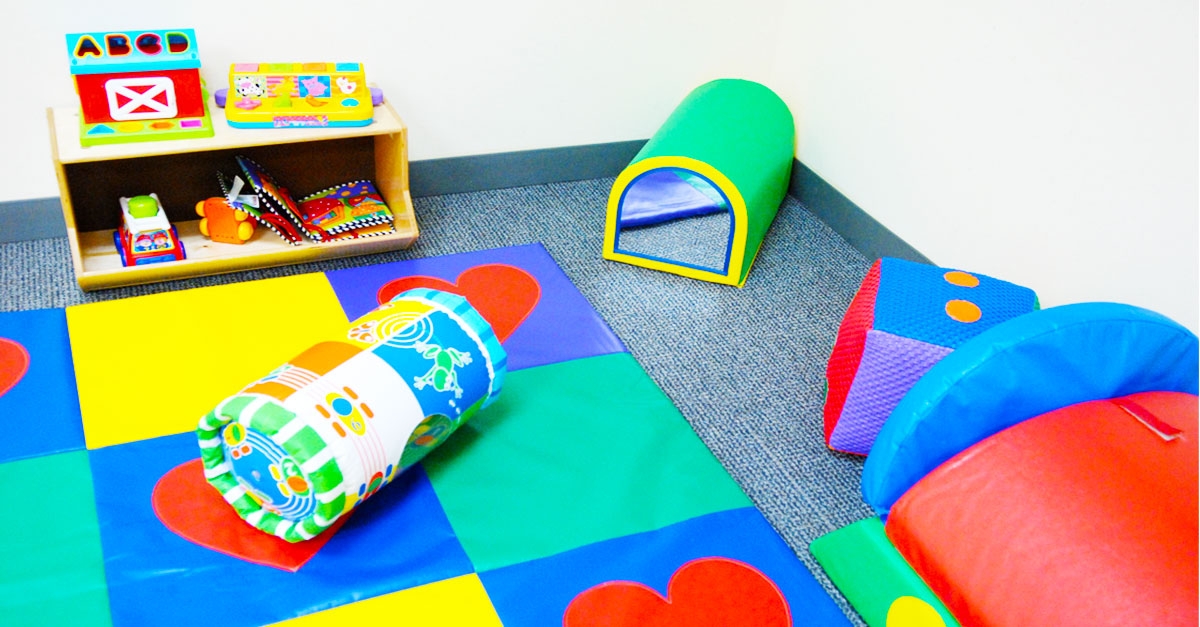
Quality Area 3 of the National Quality Standard focuses on the physical environment.

Quality Area 2 of the National Quality Standard reinforces children’s right to experience quality education and care in an environment that provides for their health and...

Quality Area 1 of the National Quality Standard focuses on ensuring that the educational program and practice of educators are child-centred, stimulating and maximising o...

Most of our Premium and Free Templates are available in MS Word version. This is a tutorial on how to use our templates in MS Word.
When observing children, it's important that we use a range of different observation methods from running records, learning stories to photographs and work samples. Usin...

As Educators, one of the main responsibilities is completing documentation for each child. Whether it will be completing an observation, writing a report or even communic...

A child’s Transition Statement summarises their abilities as they start school and identifies their individual approaches to learning. Though there might be several peopl...

Reflective practice is learning from everyday situations and issues and concerns that arise which form part of our daily routine while working in an early childhood setti...

When completing either a half-yearly or yearly reports, its main purpose is to inform parents of their child's progress and achievements thus far. Your comments should be...

This is a guide on How to Write a Learning Story. It provides information on What Is A Learning Story, Writing A Learning Story, Sample Of A Learning Story, Linking To Th...
The 5 Learning Outcomes are intended to document the complex and integrated learning and development of every child from birth to age five. They recognise that children l...

Quality Area 7 - Governance and Leadership enables services to achieve the best outcomes for children and their families by creating a service with skilled and engaged wo...

Quality Area 6 – Collaborative Partnerships With Families and Communities enables services to build respectful relationships. This provides children with the opportunity...

Quality Area 5 - Relationships With Children provides a sense of connection to support children and development of their identity and social and emotional competence. Exp...

Quality Area 4 - Staffing Arrangements requires services to have sufficient educators and staff members available at all times when children are present. Educators are li...

Quality Area 3 – Physical environment is to ensure it is safe and designed to provide a range of experiences to engage children in a variety of experiences to protect chi...