
Sponsored
articles_category_feed_1 placeholder

As an Educator, it's important to assess and document children's learning. This refers to gathering and analysing information about what children know, can do and understand. It is part of a cycle that includes planning, documenting and evaluating children’s learning.
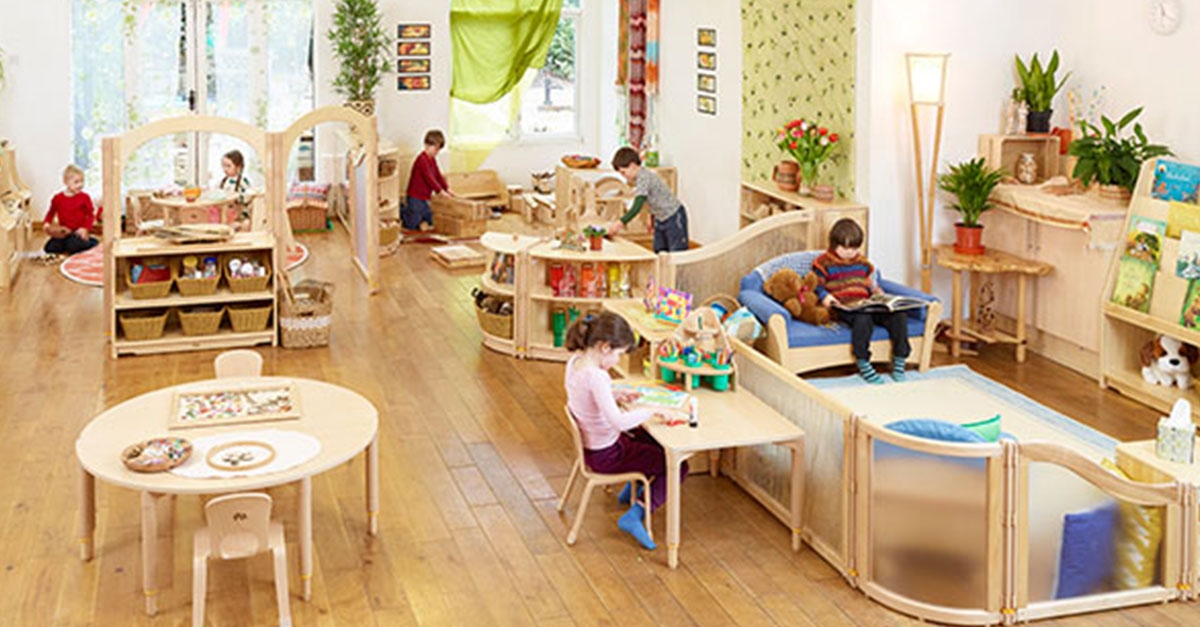
Developed in northern Italy after the Second World War, the Reggio Emilia is a child-centred approach to early childhood education. It puts a child’s sense of self-worth...

Child portfolios are a form of pedagogical documentation that includes learning samples like artwork, writings, educator observations, individual and group learning stori...

In an early childhood setting pedagogical documentation refers to the practice of collecting and displaying evidence of the different ways children think and learn over a...

In the early education context, assessment for learning is best practised as a “process of gathering and analysing information as evidence about what children know, can d...

Experts on early childhood education have for some time believed that much more than the content of learning – like numeracy, literacy and science concepts – it is the ac...

The EYLF explains assessment for children’s learning as the process of gathering and analysing information as evidence about what children know, can do and understand. It...
While reflecting it forces us to analyse different aspects of experiences we offer to make judgements in what should be repeated, extended or changed. This enables us to...
Reflective practice is learning from everyday situations and issues and concerns that arise which form part of our daily routine while working in an early childhood setti...

A reflection allows us to analyze our experiences, make changes based on our mistakes, keep doing what is successful, and build upon our knowledge.
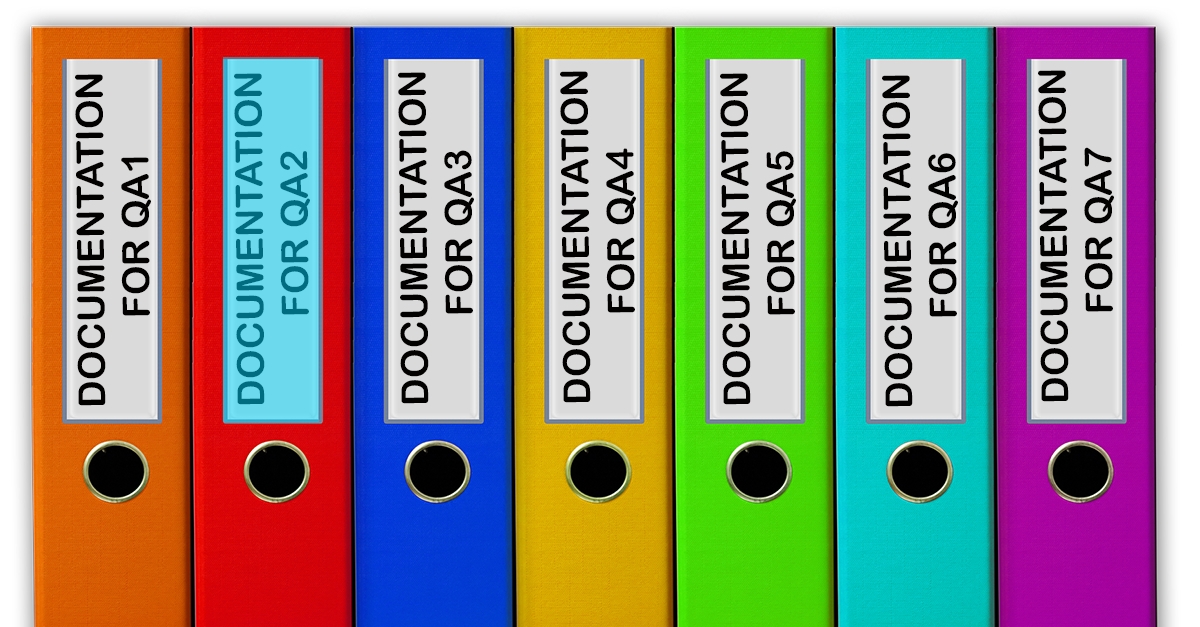
Quality Area 2 – Children's Health and Safety requires all stakeholders to have responsibility for supporting the health, protection, safety and wellbeing of all chil...
The EYLF Learning Outcomes are broad and observable. They acknowledge that children learn in a variety of ways and vary in their capabilities and pace of learning. Childr...

The EYLF Outcomes Meanings and Examples provide detailed meanings for each of the 5 learning outcomes as well as examples of how each learning outcome can be implemented...

EYLF Outcomes In Action provides examples of how each learning outcome can be demonstrated within the learning environment. These are great to display to show how childre...
Quality Area 1 – Educational Program and Practice, informs educators to implement intentional and responsive practices balanced with child-directed learning. It also draw...

To support children achieve learning outcomes from the MTOP Framework Version 2.0, the following list gives educators examples of how to promote children's learning in ea...

To support children achieve learning outcomes from the EYLF Framework Version 2.0, the following list gives educators examples of how to promote children's learning in ea...

Sustainability in early childhood education is an important part of keeping a natural and clean environment and should be incorporated into each and every service settin...

This is a guide for educators on what to observe under each sub-learning outcome from the EYLF Framework Version 2, when a child is engaged in play and learning. Educator...

For Educators responsible for the developmental program of children it is mandatory that you are entitled to 2 hours per week of non-contact time to complete your documen...

The following lists the sub-outcomes, examples of evidence when children achieve each sub-outcome and how educators can promote and help children to achieve MTOP Learning...